


The Ultimate
Home Bar Setup
What You Actually Need
Step-by-step guide to building a functional and stylish home bar — essential spirits, mixers, tools, and bar cart ideas.
Building a home bar doesn't require a renovation, an interior designer, or a budget that rivals a Michelin-star restaurant. It requires intention. The difference between a well-stocked home bar and a cluttered shelf of half-empty bottles is curation — knowing which six spirits unlock sixty cocktails, which tools are genuinely essential, and which mixers transform a good drink into something memorable.
This is the guide we wish existed when we started. No fluff, no filler — just a practical, beautifully organized roadmap to a bar cart that works as hard as it looks good.
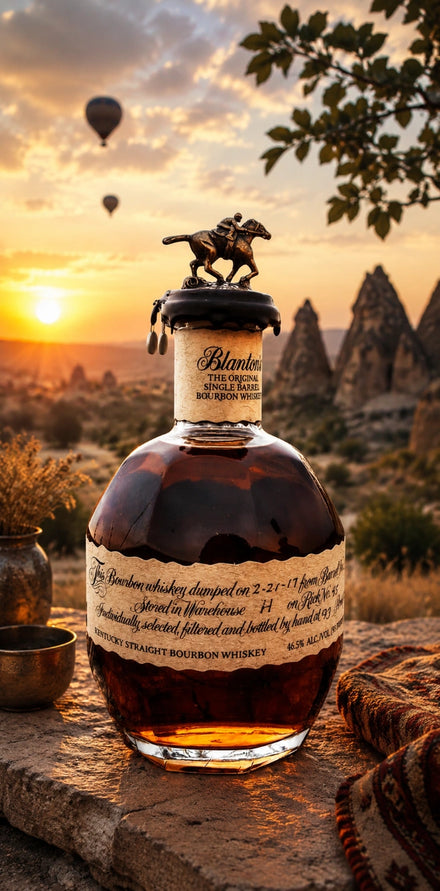
Bourbon — The Cornerstone
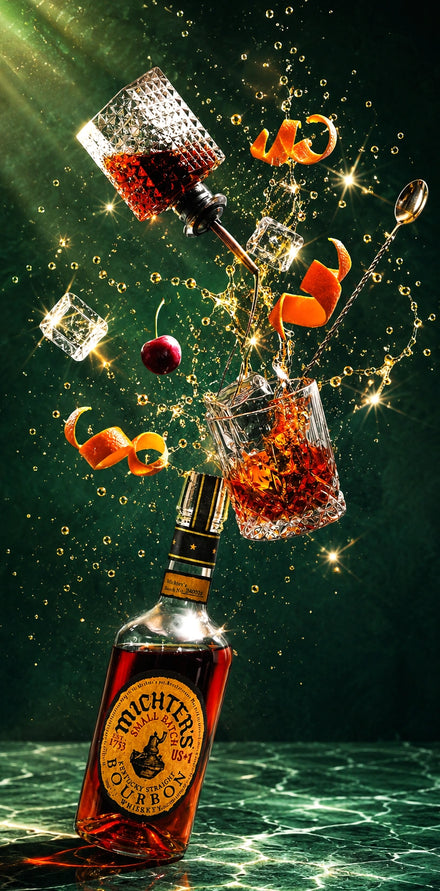
No spirit earns its place on a home bar more confidently than bourbon. Sweet, rich, and endlessly versatile — it anchors classic cocktails and holds its own neat with equal authority.
- Powers the Old Fashioned, Manhattan, Whisky Sour, and Mint Julep
- Entry picks: Buffalo Trace, Maker's Mark, Four Roses Yellow Label
- Mid-shelf: Woodford Reserve, Elijah Craig Small Batch
- A 750ml bottle yields approximately 16 standard cocktail measures
- Store at room temperature, away from direct sunlight
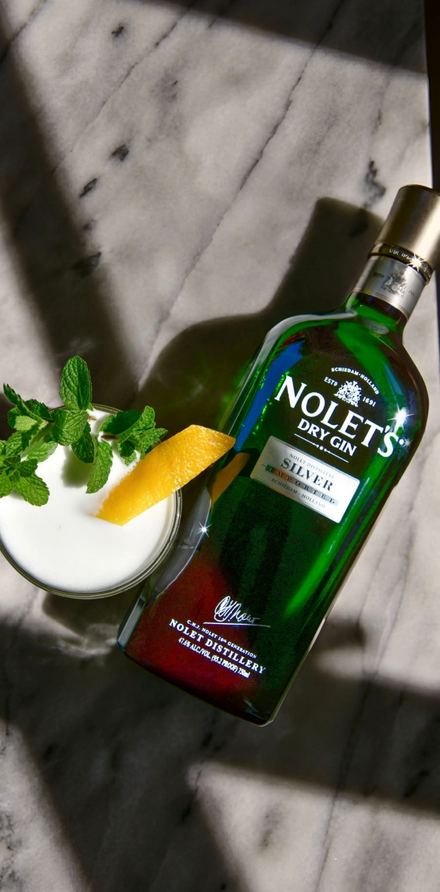
Gin — The Botanist's Bottle
A quality London Dry gin is arguably the most mixable bottle you can own. Its botanical complexity plays well with citrus, tonic, and vermouth — making it indispensable for entertaining.
- Essential cocktails: Gin & Tonic, Martini, Negroni, Tom Collins, Gimlet
- Start with: Tanqueray, Bombay Sapphire, or Beefeater London Dry
- Premium option: Hendrick's, The Botanist, or local California craft gins
- Store upright; high alcohol content means it keeps indefinitely when sealed
- Pair with high-quality tonic — the spirit is only half the G&T equation
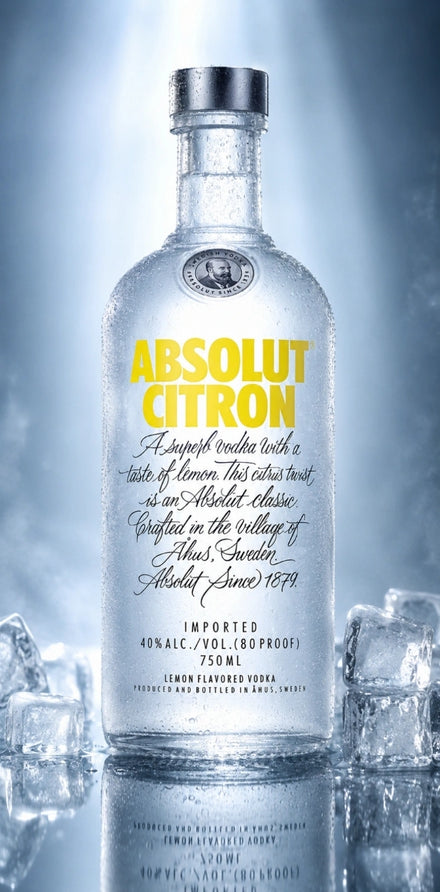
Vodka — The Neutral Workhorse
Vodka's neutrality is its superpower. It integrates into virtually any cocktail without dominating — a chameleon that lets fresh ingredients, juices, and liqueurs take center stage.
- Core cocktails: Moscow Mule, Cosmopolitan, Espresso Martini, Bloody Mary
- Quality matters: choose Ketel One, Grey Goose, or Tito's Handmade
- Store in the freezer for a perfectly chilled, viscous pour
- Grain vs potato vodka: potato vodkas have a creamier, heavier mouthfeel
- A home bar bottle of vodka typically covers every guest preference
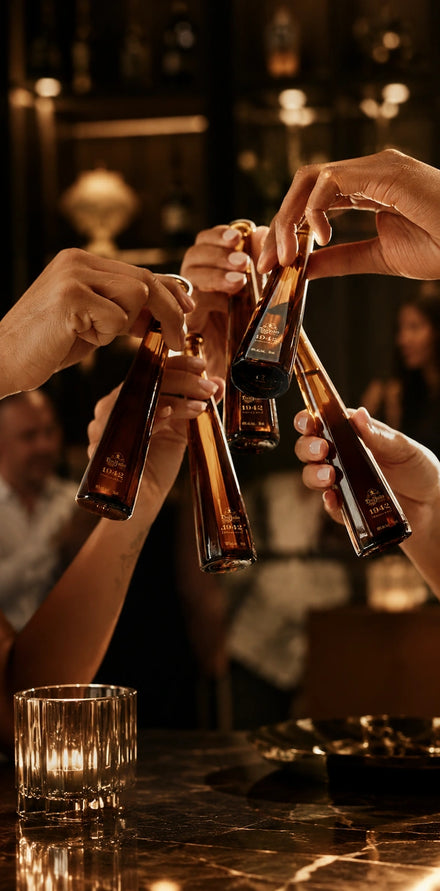
Tequila — The Agave Essential
Always buy 100% agave tequila. A quality blanco unlocks a spectrum of bright, citrus-driven cocktails — and removes 90% of bad tequila experiences from the equation.
- Core cocktails: Margarita, Paloma, Tequila Sunrise, Ranch Water
- Blanco first: Espolòn, Olmeca Altos, El Jimador — all under $30
- Reposado (rested 2–12 months) adds oak complexity for sipping
- Mezcal (smoky cousin) is worth adding for adventurous cocktails
- Always rim with kosher salt — the coarser grind enhances without overwhelming
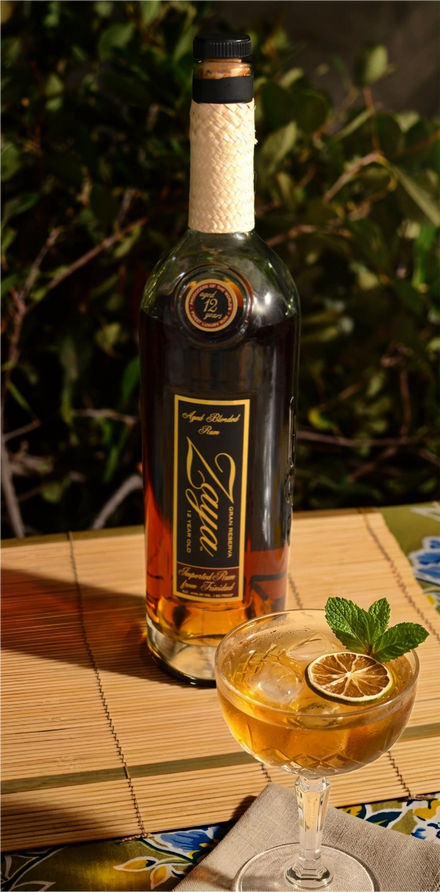
Rum — The Tropical Backbone
Rum's range is staggering. A white rum and a dark rum covers most recipes — taking you from Daiquiris to Dark 'n' Stormys without compromise.
- White rum: Bacardí Superior, Plantation 3 Stars, Flor de Caña Extra Dry
- Dark rum: Gosling's Black Seal, Appleton Estate 8yr, Mount Gay Black Barrel
- Core cocktails: Daiquiri, Mojito, Piña Colada, Dark 'n' Stormy, Mai Tai
- Aged rums (5yr+) are competitive with aged whiskey for sipping neat
- Rhum agricole adds a grassy, funkier dimension for adventurous builds
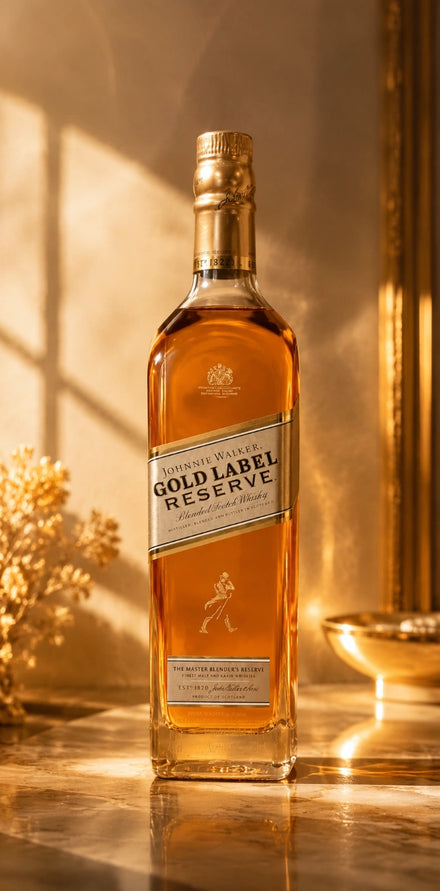
Scotch — The Sophisticated Sip
Scotch is the spirit that rewards patience. An approachable entry point removes the intimidation factor — and once it clicks, it becomes the most used bottle for quiet evenings.
- Start with a non-peated Highland: Glenlivet 12, Glenfiddich 12, Aberfeldy 12
- For curious palates: Oban 14 (coastal, lightly smoky) bridges the gap perfectly
- Peated options (Laphroaig, Ardbeg) — buy only once your guests ask for smoke
- Scotch highball: 2oz Scotch + chilled sparkling water + large ice = perfection
- Store away from direct light; UV degrades color compounds in lighter expressions
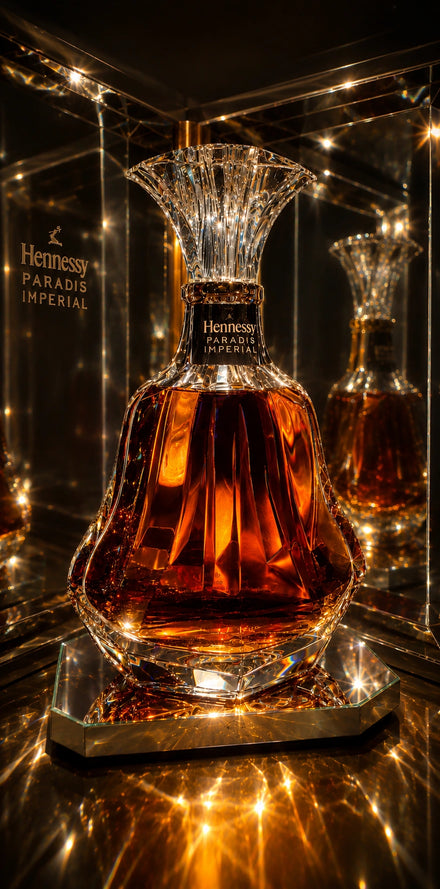
Cognac — The After-Dinner Essential
A VSOP cognac signals your home bar is genuinely curated. It's the bottle guests notice, the one that elevates a Sidecar from pleasant to spectacular.
- VS (Very Special): aged min 2 years — perfect for cocktails (Sidecar, French 75)
- VSOP (4+ years): the sweet spot for both mixing and sipping
- Core cocktails: Sidecar, Stinger, Vieux Carré, Brandy Alexander
- Serve in a snifter at room temperature — never on ice for quality VSOP+
- Entry picks: Hennessy VS, Rémy Martin VSOP, Courvoisier VSOP
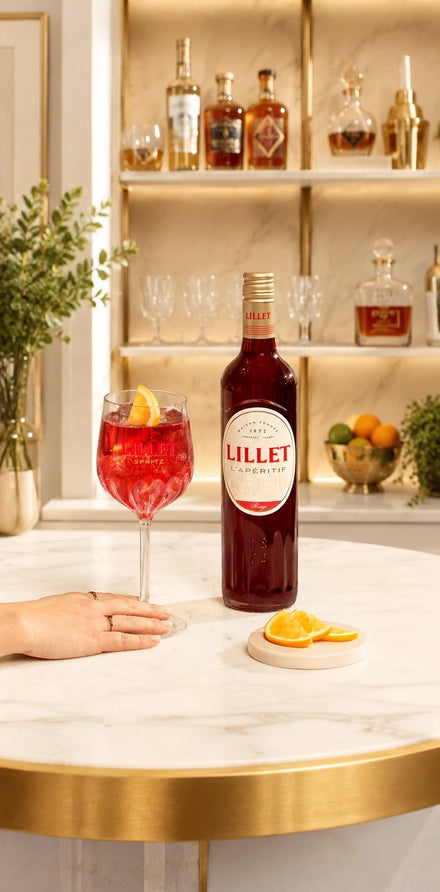
Aperitifs — The Flavor Expanders
Campari, Aperol, and sweet vermouth are the supporting cast that turn six core bottles into a full cocktail program. They cost less, last longer, and punch far above their price.
- Campari (essential): Negroni, Boulevardier, Paper Plane — all require it
- Aperol: lower-ABV aperitivo, the gateway bottle for the Spritz generation
- Sweet vermouth (Carpano Antica): refrigerate after opening, use within 3 weeks
- Dry vermouth (Dolin, Noilly Prat): Martinis — also refrigerate after opening
- Amaro (Averna, Fernet): after-dinner digestif and depth-adding cocktail ingredient
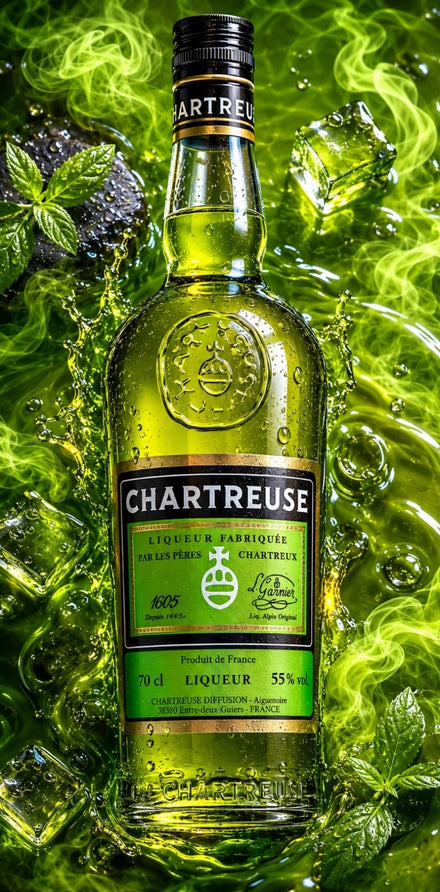
Liqueurs — The Finishing Touch
Orange liqueur and a quality coffee liqueur complete 80% of popular cocktail recipes. Small investment, enormous payoff — these bottles transform your bar into a real program.
- Cointreau: irreplaceable in Margarita and Cosmopolitan — always over generic Triple Sec
- Grand Marnier: cognac-based orange liqueur — a step up for the Sidecar
- Kahlúa / Mr Black: coffee liqueur for Espresso Martinis and White Russians
- Chartreuse (green or yellow): the cult herbal liqueur — Last Word cocktail essential
- Luxardo Maraschino: essential for Aviation, Hemingway Daiquiri, and tiki builds
Rye — The Spice Upgrade
Once you have bourbon, rye is the natural next step. Spicier, drier, more assertive — a Manhattan made with rye versus bourbon is a revelation worth experiencing.
- Must-try: Rittenhouse 100 + Carpano Antica + Angostura bitters = a perfect Manhattan
- Rye Whiskey Sour: spice plays beautifully against lemon and egg white foam
- Entry picks: Rittenhouse Rye 100, Old Forester Rye, Bulleit Rye
- High rye bourbons (Bulleit, Four Roses Single Barrel) bridge the gap for newcomers
- Legally: rye must be 51%+ rye grain; bourbon must be 51%+ corn

The Cocktail Shaker — Your Most Used Tool
Every cocktail containing juice, cream, egg, or dairy needs shaking to emulsify and chill. The Boston shaker is the professional standard; the cobbler shaker is the beginner's friend.
- Boston shaker: two tins — requires a separate Hawthorne strainer
- Cobbler shaker: three-piece, built-in strainer — ideal for beginners
- Shake vigorously 10–12 seconds — the tin should frost over completely
- Always shake with ice: the dilution is not a bug, it's the feature
- Never shake carbonated mixers — stir spirit-only cocktails (Martini, Manhattan)

Mixing Glass & Bar Spoon — The Stirring Set
Spirit-forward cocktails — Martini, Manhattan, Negroni — are stirred, not shaken. Stirring chills without aerating, preserving the silky texture that defines these classics.
- Stir for 30–40 rotations with large ice — longer stir = more dilution and integration
- Bar spoon must reach the bottom; the twisted handle aids rotation control
- Use a Yarai or crystal mixing glass for visual drama — guests notice
- A standard pint glass works as a substitute while you build the collection
- Rule: if recipe contains only spirits/liqueurs — stir. If juice, cream, egg — shake

The Jigger — Precision Over Guesswork
Free-pouring looks impressive. Measured pouring makes better cocktails. A jigger is what separates a consistent, balanced cocktail from a drink that varies every time.
- Standard jigger: 1.5oz / 1oz double-sided — covers 90% of all recipes
- Japanese jiggers (tall, narrow, etched) allow more precision at fractional amounts
- Look for markings at .25oz, .5oz, .75oz, 1oz, 1.25oz, and 1.5oz
- Cocktail ratios matter: a Sidecar at 2:1:1 vs 2:0.5:1 are genuinely different drinks
- Fill to the brim — surface tension holds a tiny dome for a perfect measure

Strainers — The Clarity Tools
Two strainers do different jobs. The Hawthorne catches ice from the shaker. The fine mesh catches tiny chips and pulp for a double-strained, polished professional pour.
- Hawthorne strainer: spring-coiled, fits over Boston shaker tin — the default
- Julep strainer: spoon-shaped, sits inside the mixing glass for stirred cocktails
- Fine mesh strainer: holds under the Hawthorne for double straining
- Double strain every Daiquiri, Sour, and shaken cocktail for a cleaner presentation
- Buy quality: cheap springs rust; cheap mesh warps — OXO and Koriko are worth it

Muddler & Citrus Press — Fresh is Everything
Fresh juice and properly muddled herbs are the single biggest upgrade to cocktail quality. A muddler and citrus press cost under $20 and eliminate the most common shortcut that ruins great drinks.
- Muddle mint gently — press and twist once or twice; don't massacre it
- Wooden muddlers for fresh fruit; food-safe plastic for citrus peel and herbs
- A Mexican elbow press extracts more juice faster than any other method
- Always juice citrus day-of — bottled lime juice is the enemy of a great Daiquiri
- A Microplane zester adds aromatic citrus oils to rims and garnishes

Glassware — The Four You Actually Need
You don't need a cabinet of specialty glasses. Four vessel types cover 95% of everything you'll make — buy sets of four in each, quality over quantity.
- Rocks glass: spirit-forward cocktails, aged spirits neat, whiskey builds
- Highball / Collins glass: long drinks, tonic or soda cocktails, Mojito, Mule, G&T
- Coupe (or Nick & Nora): all 'up' cocktails — Martini, Daiquiri, Negroni, Sidecar
- Glencairn (or tulip): neat spirit tasting, Scotch, bourbon, any spirit worth focusing on
- Bonus fifth: Champagne flute or coupe for bubbles and Aperol Spritz occasions

Ice — The Ingredient Bartenders Obsess Over
Professional bartenders consider ice a core ingredient, not an afterthought. The right ice format changes dilution rate, appearance, and the texture of the finished drink.
- 2-inch sphere mold: the home bar essential — slow melt for Scotch and bourbon
- Large cube trays (Tovolo King Cube): fits most rocks glasses, visually striking
- Clear ice: directional freezing (insulated cooler method) removes bubbles for clarity
- Lewis bag for crushed ice: Mint Julep, Swizzles, and tiki builds
- Pre-chill your ice bucket — room-temperature buckets accelerate melt dramatically

Bitters — The Salt & Pepper of Cocktails
Bitters are concentrated aromatic tinctures. A few dashes transform spirits into a cocktail. They're inexpensive, last for years, and unlock a dimension of complexity no other ingredient replicates.
- Angostura (aromatic): the non-negotiable — Old Fashioned, Manhattan, Champagne Cocktail
- Peychaud's (anise-forward): essential for the Sazerac and New Orleans classics
- Orange bitters: Regan's No.6 or Angostura Orange — elevates Martinis and Manhattans
- Mole, cardamom, grapefruit bitters: the creative expanders once you have the basics
- A dash ≈ 0.6ml; just shake the bottle twice over the glass and move on

Syrups & Sweeteners — The Balance Makers
Simple syrup takes four minutes to make. Beyond plain syrup, a few specialty syrups dramatically expand what your bar produces without adding a single new spirit.
- Simple syrup (1:1 sugar:water): dissolves instantly; refrigerate up to 3 weeks
- Rich simple syrup (2:1): sweeter, thicker, lasts longer — what craft bars actually use
- Honey syrup (3:1 honey:water): Bees Knees, Gold Rush, and Penicillin all need it
- Demerara syrup: caramel-forward for tiki cocktails, Old Fashioneds, and rum builds
- Real grenadine (pomegranate): Tequila Sunrise, Jack Rose — avoid the red corn syrup version

Bar Cart Organization — Style Meets Function
A well-organized bar cart signals intention. It's the first thing guests see — and it sets the tone for the evening. Thoughtful arrangement makes mixing faster and the setup look intentional.
- Front row: your most-used bottles (bourbon, gin, tequila) — never reach behind to start
- Group by category: base spirits together, modifiers together, bitters on a tray
- Tools in a small glass or vessel — a jar for bar spoon, jigger, and peeler looks deliberate
- Keep citrus in a small bowl for visual freshness and instant grab access
- A small cutting board permanently on the cart eliminates the 'where's the board?' moment

Tonic Water — Gin's Other Half
The tonic water you choose is as important as the gin. Premium tonic uses natural quinine and real botanicals — the difference in a G&T is immediately noticeable.
- Fever-Tree Indian Tonic: the benchmark — balanced quinine bitterness, clean finish
- Q Tonic: drier, less sweet — pairs well with assertive London Dry gins
- Mediterranean Tonic: citrus and floral notes — designed for botanical gins
- Always use cold, freshly opened tonic — flat tonic is a crime against gin
- Ratio: 1 part gin to 2–2.5 parts tonic over large ice in a Copa glass

Fresh Citrus — The Non-Negotiable Upgrade
Nothing improves cocktail quality faster than switching from bottled to fresh lime juice. The difference is dramatic — fresh juice has volatile aromatics that disappear within hours of squeezing.
- Always juice day-of: lemon and lime juice is best within 4 hours of squeezing
- Stock: lemons (sours, Collins), limes (Margarita, Daiquiri, Mojito), oranges (Negroni, Sidecar)
- Room temperature citrus yields 20–30% more juice than cold refrigerated fruit
- Roll the fruit firmly on the counter before cutting to maximize yield
- Citrus peels for garnish: express oils over the glass before dropping in

Ginger Beer — The Mule's Engine
Ginger beer (fermented, spicy, non-alcoholic) is distinct from ginger ale. The spice and depth of quality ginger beer is what makes a Moscow Mule or Dark 'n' Stormy truly work.
- Fever-Tree Ginger Beer: most balanced — works in every recipe calling for it
- Bundaberg: naturally brewed, noticeably spicier — a favorite for Mules
- Gosling's Ginger Beer: classic pairing with Gosling's Dark Rum for Dark 'n' Stormy
- Use 3–4oz over a copper mug packed with ice for a proper Moscow Mule
- Ginger syrup (fresh ginger + sugar + water) gives more control over spice level

Sparkling Water & Club Soda — The Lengtheners
Club soda and sparkling water do different jobs: club soda contains added minerals for a rounder mouthfeel, while sparkling water is purely carbonated. Both have their place.
- Club soda: Highball, Gin Rickey, Campari Soda — minerals add body to spirit-heavy builds
- Sparkling water (Topo Chico, Fever-Tree): Whisky Highball and vodka soda — cleaner
- Always add carbonated mixers last and stir once gently — incorporating, not shaking
- Pre-chilling soda keeps carbonation intact longer; warm mixers go flat faster
- A Scotch highball (2oz whisky, 4oz chilled sparkling water) is endlessly refreshing

Garnishes — The Final Five Percent
Garnishes are aromatic delivery systems. A properly expressed lemon twist releases oils that change the first sniff and first sip. A quality cherry signals the whole drink was made with care.
- Luxardo Maraschino Cherries: the only cocktail cherry that matters — never the fluorescent kind
- Citrus twists: Y-peeler for clean strips; flame-expressed orange peel is worth mastering
- Olives: Castelvetrano for Martinis — meaty, mild, buttery, they don't fight the gin
- Fresh herbs: slap gently between palms before using — activates aromatics without bruising
- Dehydrated citrus wheels: make a batch on Sunday — visually impressive, last weeks

Juices — The Base Mixers
Beyond citrus, a few pantry juices unlock a wide category of cocktails. Orange juice, pineapple juice, and cranberry juice form the holy trinity of fruit-mixer cocktails.
- Orange juice: Tequila Sunrise, Harvey Wallbanger, Screwdriver, Mimosa — fresh when possible
- Pineapple juice: Piña Colada, Jungle Bird, Mai Tai — canned variety works perfectly here
- Cranberry juice: Cosmopolitan, Cape Cod — choose 100% juice, not cranberry cocktail blend
- Tomato juice: Bloody Mary — use high-quality juice and build your own spice blend
- Grapefruit juice (fresh): Paloma, Greyhound, Brown Derby — always fresh for cocktail use

Egg White & Cream — The Texture Makers
Egg white is one of the most underutilized ingredients in the home bar. A dry shake creates foam that transforms the texture of a Whisky Sour from pleasant to extraordinary.
- Dry shake: combine spirit, citrus, egg white, shake without ice 15 seconds, then add ice and reshake
- Aquafaba (chickpea liquid): vegan substitute — 1:1 ratio, similar foam structure
- Heavy cream: White Russian, Brandy Alexander — full-fat for texture and richness
- Coconut cream (not coconut milk): Piña Colada — Coco López is the authentic brand
- Pasteurized liquid egg whites in a carton are the practical solution for high-volume use

Salt, Spice & Rims — The Finishing Details
Salt doesn't just rim a Margarita glass — it suppresses bitterness and amplifies sweetness across the whole drink. A small bowl of kosher salt is all you need for a perfect rim every time.
- Kosher salt (Diamond Crystal): the standard bar rim salt — coarse enough to see
- Tajín: chili-lime salt for Palomas, Micheladas, and spicy Margaritas — instantly elevates
- Black lava salt: dramatic visual, mineral flavor — reserved for mezcal cocktails
- Half-rim technique: citrus on only half the glass — lets guests choose their salt level
- Smoked salt: pairs with peated whisky and mezcal — 50/50 blend for a subtle effect

Cola & Sodas — The Crowd Pleasers
Not every drink needs to be a craft cocktail. Quality sodas — an ice-cold Coke with a good bourbon, a Canada Dry with rye — are legitimately great. Stock them without apology.
- Mexican Coke (cane sugar): noticeably better in a Jack & Coke or Cuba Libre
- Canada Dry ginger ale: the standard for Whisky & Ginger, Rye & Dry
- Sprite / 7UP: Tom Collins substitute when fresh lemon isn't available
- Lemon-lime soda: Sloe Gin Fizz base, mixed with vermouth for a quick Americano
- Diet sodas: stock at least one — Bourbon & Diet Coke with good bourbon is a real order

Fresh Herbs — The Aromatic Layer
Fresh herbs are the aromatic bridge between glass and nose — and they signal to every guest that you take your bar seriously. A potted mint on the counter is both practical and a conversation starter.
- Mint: Mojito, Mint Julep, Southside — always fresh, never dried; slap before using
- Rosemary: Bees Knees variation, smoked rosemary sprig for mezcal drinks
- Thyme: whisky and honey-based cocktails, lemon thyme G&T
- Basil: Basil Smash (gin + lemon + simple + basil) — one of the best summer cocktails
- Store herbs stem-down in cold water, covered loosely — stays fresh 5–7 days

The Rolling Bar Cart — Flexible & Elegant
The rolling bar cart is the apartment dweller's best friend. It stores, displays, and moves — converting any corner into a bar station and rolling away when company isn't coming.
- Two-tier carts: bottles on top, glasses and tools on the bottom — the classic layout
- Gold/brass hardware complements the amber tones of whiskey and rum bottles
- Size guide: a 24×16" cart fits 6–8 bottles; don't overcrowd — whitespace reads as curation
- Roll it to the living room for parties; to the kitchen for prep — versatility is the point
- Best picks: CB2 Arched Bar Cart, West Elm Bar Cart, World Market for budget-friendly style

Floating Shelves — The Space-Efficient Setup
Floating shelves turn an unused wall into a curated display. Three tiers — bottles on top, glasses in the middle, books below — creates a complete home bar in 12 inches of wall depth.
- Top shelf: 8–10 bottles, displayed label-forward — the visual centerpiece
- Middle shelf: glassware in sets — 4 rocks, 4 highballs, 4 coupes — stored inverted
- Bottom shelf: cocktail books, a tool tray, bitters collection — function meets personality
- LED strip underneath each shelf transforms bottles into glowing displays — worth the install
- Floating shelf depth: 10 inches minimum; 12 inches for the glass shelf to hold coupes safely

The Cabinet Bar — Concealed & Considered
A dedicated bar cabinet creates the most organized home bar setup — and it closes. Guests see beautiful furniture; open it and they find a curated cocktail program.
- Converted sideboards from secondhand stores make the most characterful home bars
- Interior: line with contact paper, add LED strip lighting, install a stemware rack
- Counter height 36" is comfortable for mixing standing without a bar mat on the floor
- A single bottle well (tray with raised edges) prevents rolling bottles from becoming a hazard
- IKEA KALLAX with bar insert is the budget-friendly workaround that actually looks considered

The Dedicated Home Bar — The Full Build
A dedicated bar with a counter, back bar shelving, and bar stools is the aspirational endpoint. A 6-foot counter against one wall transforms a basement corner into something genuinely impressive.
- Back bar shelving: tiered risers allow all bottles to be visible simultaneously
- Under-counter mini fridge: for wine, vermouth, mixers, and citrus — the game-changer
- Bar mat: a rubber rail mat keeps tools organized, absorbs drips, signals professionalism
- Pendant lighting over the bar: dimmable, warm-toned — transforms evening atmosphere
- Sound matters: a small Bluetooth speaker with a dedicated playlist signals the bar is open

The Tray Bar — Minimal Footprint, Maximum Style
A single beautiful tray on a kitchen counter is the most space-efficient home bar. Three curated bottles, a rocks glass, and an ice sphere mold is a complete bar in 18 inches.
- Use a marble, slate, or dark wood tray to ground the setup and contain drips
- Curation is the whole game: three exceptional bottles beat ten mediocre ones
- A single beautiful Glencairn or crystal rocks glass on the tray signals the spirit of the setup
- A small lemon or orange in a bowl adds color, freshness, and cocktail readiness
- Rotate the featured bottle seasonally — rum in summer, bourbon in fall, Scotch in winter

The $200 Starter Bar — Where to Begin
A focused $200 starter kit — four essential bottles, four glasses, and three tools — covers 80% of cocktail recipes and 100% of casual entertaining needs.
- Bottles ($110): Buffalo Trace, Espolòn Blanco, Tanqueray, Bacardí, Angostura bitters, simple syrup
- Glasses ($30): 4× rocks glasses — IKEA Storsint at $8 for 4 is genuinely handsome
- Tools ($40): cobbler shaker, jigger, bar spoon, Hawthorne strainer, Y-peeler
- Total ≈ $180 — make a Margarita, Old Fashioned, G&T, Daiquiri, and Mojito
- First upgrade: replace the cobbler shaker with a Boston tin set as your skill develops

The Cocktail Library — Knowledge Is the Best Tool
A small collection of cocktail books displayed on your bar shelf serves double duty — reference material and conversation starters. The right three books teach you 90% of what you need.
- "The Joy of Mixology" by Gary Regan: the closest thing to a bartender's textbook
- "Death & Co: Modern Classic Cocktails": the book that defined the craft cocktail era
- "The PDT Cocktail Book" by Jim Meehan: comprehensive, deeply researched, endlessly useful
- "Cocktail Codex": teaches the template approach — understand one cocktail, understand dozens
- A personal handwritten cocktail notebook: write ratios that work for your bar and taste

Seasonal Rotation — Keep the Bar Alive
The best home bars evolve. Rotating one or two featured bottles seasonally keeps the bar feeling curated and current — and gives you an excuse to explore new spirits all year.
- Spring: floral gins, elderflower liqueur, light aperitifs — bright and aromatic
- Summer: aged rum, blanco tequila, mezcal — bright, citrus-forward cocktails
- Autumn: rye whiskey, apple brandy (Laird's Applejack), Cognac — warming and spiced
- Winter: Scotch, Irish whiskey, barrel-aged spirits — heavier, contemplative sipping
- Featured bottle rotation: move one bottle forward with a small description card — guests try it

Batch Cocktails — The Entertaining Cheat Code
Batching cocktails ahead of a party is the professional bartender's trick that home hosts rarely use. Pre-dilute, pre-chill, and batch your featured cocktail so you can pour and enjoy.
- Batch formula: multiply recipe by servings, then add 20–25% water for dilution
- Margarita batch: 1 bottle tequila + 1.5 cups Cointreau + 1.5 cups lime + .5 cup agave — serves 12
- Negroni batch: 1:1:1 gin, Campari, sweet vermouth in a bottle — refrigerate, serve over ice
- Large ice block (frozen in a loaf pan) keeps punch cold for hours without over-diluting
- Label your batch pitcher — guests appreciate knowing what they're drinking

The Home Bar Philosophy — Why It All Matters
A well-built home bar is ultimately about generosity — the ability to greet a guest with a perfectly made drink and to explore craft and curiosity on your own schedule.
- Start small: one excellent bottle makes a better impression than a shelf of mediocre ones
- Build one skill at a time: nail the Old Fashioned before attempting the Ramos Gin Fizz
- Ask questions: our Tustin team knows every bottle on the shelf and what cocktail it unlocks
- Explore: a home bar is permission to try a $45 bottle you'd never order by the glass
- Share: the point of a home bar is the people you pour for — every bottle is a story
The Complete Home Bar Checklist
Everything you need, organized by priority.
Core Spirits
Bourbon, gin, tequila (blanco), vodka, white rum, dark rum — the six-bottle foundation that covers 50+ cocktails.
Essential Tools
Shaker, jigger, bar spoon, Hawthorne strainer, and a Y-peeler. Five items, every cocktail covered.
Glassware Set
4× rocks glasses, 4× highballs, 4× coupes, and 2× Glencairn for serious sipping occasions.
Modifiers & Bitters
Campari, sweet vermouth, dry vermouth, Cointreau, Angostura bitters, and Peychaud's bitters.
Mixers & Fresh
Premium tonic water, ginger beer, citrus (lemon, lime, orange), simple syrup, and fresh herbs.
Ice & Garnishes
Sphere mold or large cube trays, Luxardo cherries, cocktail olives, and a dehydrated citrus wheel stash.
Build Your Home Bar
With the Best Spirits in SoCal
From rare allocated bottles to everyday essentials — SoCal Wine & Spirits has everything your home bar needs, in one place.